Germany Visa for Immigrants – Visa Sponsorship in Germany
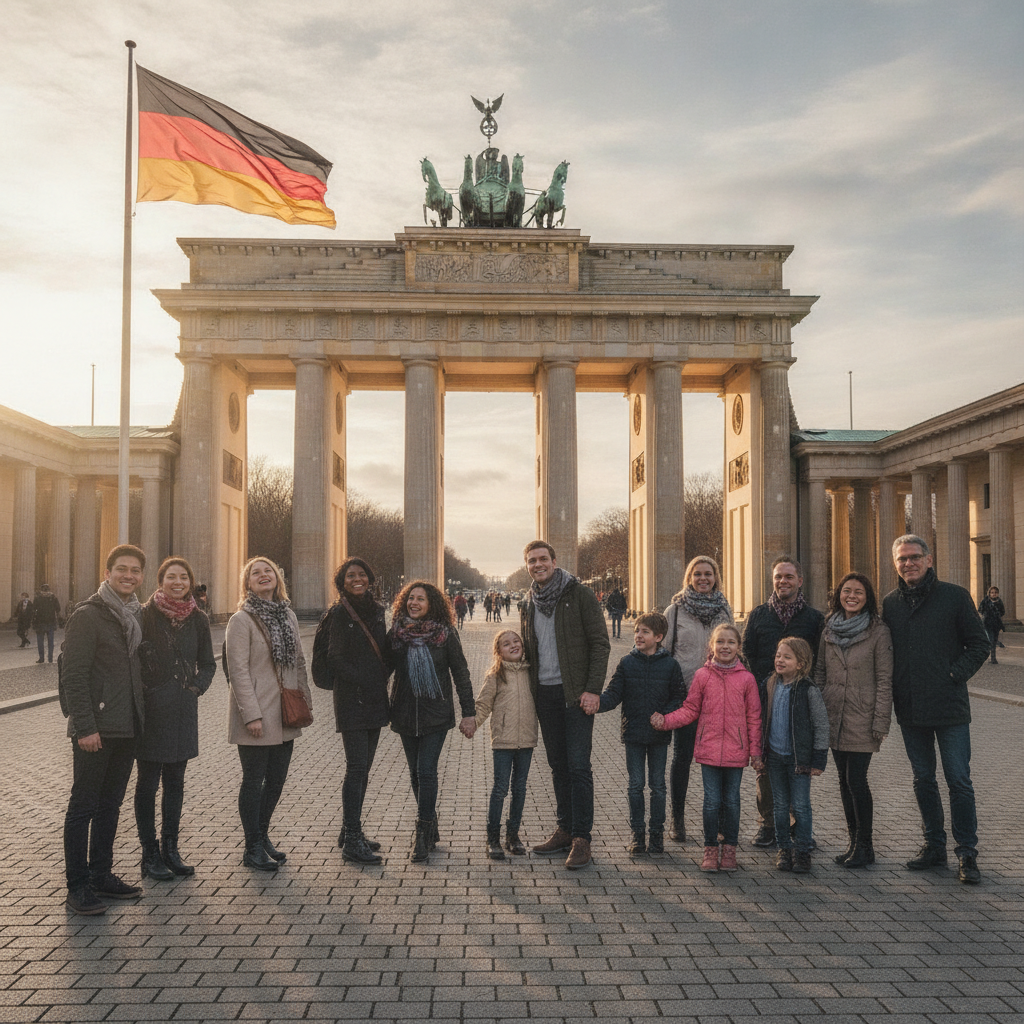
Navigating the Path to Germany for Immigrants
\n
Germany stands as a pivotal economic force in Europe, consistently drawing global talent to its dynamic industries and vibrant cities. For many aspiring immigrants, securing a work opportunity with visa sponsorship in Germany represents a practical route to relocate and build a new life.
\n
This article delves into the realities of pursuing a German visa as an immigrant, specifically highlighting the role of employer sponsorship. We’ll explore the processes, opportunities, and essential considerations for those looking to make Germany their next home.
\n
Why Germany Seeks International Talent
\n
Germany’s robust economy and aging population create a significant demand for skilled professionals across numerous sectors. The country actively recruits international workers to fill critical labor gaps, particularly in specialized fields.
\n
Government initiatives and relaxed immigration policies for skilled workers underscore this strategic need. This welcoming stance translates into tangible opportunities for qualified individuals worldwide.
\n
Eligibility for German Work Visas
\n
Generally, applicants for a German work visa need to demonstrate specific qualifications and, crucially, secure a concrete job offer from a German employer. This employer’s willingness to sponsor your visa is often a cornerstone of the application process.
\n
Key requirements typically include recognized academic or vocational qualifications, relevant professional experience, and sometimes, proficiency in the German language, depending on the role and industry. However, many IT or engineering roles in international companies might not require German language skills at the outset.
\n
Recognizing Foreign Qualifications
\n
A vital step for many professionals involves having their foreign qualifications officially recognized in Germany. This process, handled by specific German authorities, ensures that your degrees or vocational training meet German standards.
\n
Starting this recognition process early can significantly streamline your overall visa application. Information on specific recognition procedures is often available through the German government’s “Recognition in Germany” portal.
\n
The Visa & Immigration Process for Visa Sponsorship in Germany
\n
Obtaining a work visa for Germany is a multi-step process that begins well before you pack your bags. The most common pathway for skilled workers is the National Visa (D-Visa), which allows you to enter Germany to take up employment.
\n
After arrival, this visa is then converted into a residence permit for employment purposes. Crucially, the employer’s sponsorship letter and the official employment contract form the backbone of your application.
\n
Key Steps in the Application Journey
\n
- \n
- Secure a Job Offer: This is the fundamental first step. Your prospective German employer must provide a valid employment contract.
- Gather Documents: Prepare your passport, educational certificates, CV, proof of health insurance, and the job contract, among other specific requirements.
- Apply for a National Visa: Submit your application at the German embassy or consulate in your home country. This typically involves an interview.
- Arrive in Germany: Once your visa is granted, you can travel to Germany.
- Register and Apply for a Residence Permit: Within a few weeks of arrival, you must register your address and apply for a long-term residence permit at the local Foreigners’ Office (Ausländerbehörde).
\n
\n
\n
\n
\n
\n
The processing times for visas can vary significantly, so patience and thorough preparation are essential. Always refer to the official German Federal Foreign Office website for the most current and precise requirements for your specific nationality and visa type: Auswärtiges Amt Visa Information.
\n
High-Demand Job Sectors
\n
Germany’s economy offers a broad spectrum of job opportunities for immigrants, particularly those with specialized skills. Sectors consistently facing shortages include:
\n
- \n
- IT and Software Development: Programmers, data scientists, cybersecurity specialists.
- Engineering: Mechanical, electrical, automotive, and civil engineers.
- Healthcare: Doctors, nurses, and other medical professionals.
- Skilled Trades: Electricians, plumbers, mechanics, and technicians.
- Research and Science: Various scientific disciplines across universities and private institutions.
\n
\n
\n
\n
\n
\n
Many German companies, especially larger corporations and those in tech hubs, are well-versed in the process of providing visa sponsorship in Germany for international candidates.
\n
Understanding Salary Expectations
\n
Salaries in Germany are competitive, reflecting the country’s high standard of living and strong economy. However, income levels depend heavily on several factors.
\n
These include the specific employer, your level of experience, the city or region where you work, and your qualifications. For instance, an experienced software engineer in Munich might earn significantly more than a junior engineer in a smaller town.
\n
It’s crucial to research average salaries for your specific role and industry using reputable job portals and salary comparison sites. Remember that gross salary will be subject to taxes and social security contributions.
\n
Advantages of Working in Germany
\n
Beyond the professional opportunities, working in Germany offers a high quality of life. The country boasts an excellent public transportation network, comprehensive social security benefits, and a strong emphasis on work-life balance.
\n
Employees benefit from generous vacation allowances, robust worker protections, and access to world-class healthcare and education systems. Furthermore, Germany’s central location in Europe makes it an ideal base for exploring neighboring countries and diverse cultures.
\n
Practical Steps for Application
\n
Embarking on a job search in Germany requires a strategic approach. Start by refining your CV and cover letter to align with German professional standards, which often differ from those in other countries.
\n
Utilize online job boards such as LinkedIn, Indeed, and specialized German job platforms. Networking, even from afar, can also be incredibly beneficial. Be prepared for a potentially lengthy application process, including multiple interview rounds.
\n
The Federal Employment Agency (Bundesagentur für Arbeit) offers resources for job seekers, including information on the German labor market.
\n
Essential Considerations Before Relocating
\n
While the prospect of moving to Germany is exciting, a few practicalities warrant careful attention. Learning German, even basic conversational phrases, will significantly enhance your daily life and integration, though it may not always be a strict visa requirement.
\n
Researching housing options, understanding the local public transport system, and familiarizing yourself with German customs will make your transition smoother. Be prepared for administrative tasks, as German bureaucracy can be thorough.
\n
Your Future in Germany
\n
Pursuing a German visa for immigrants, especially through employer sponsorship, opens a gateway to a rewarding professional and personal experience. While the process demands diligence and preparation, the opportunities in Germany’s dynamic economy and high quality of life are substantial.
\n
With careful planning and a clear understanding of the requirements, your journey to working and living in Germany can be a fulfilling reality. The country welcomes skilled individuals, and with the right approach, you could soon be contributing to its vibrant future.